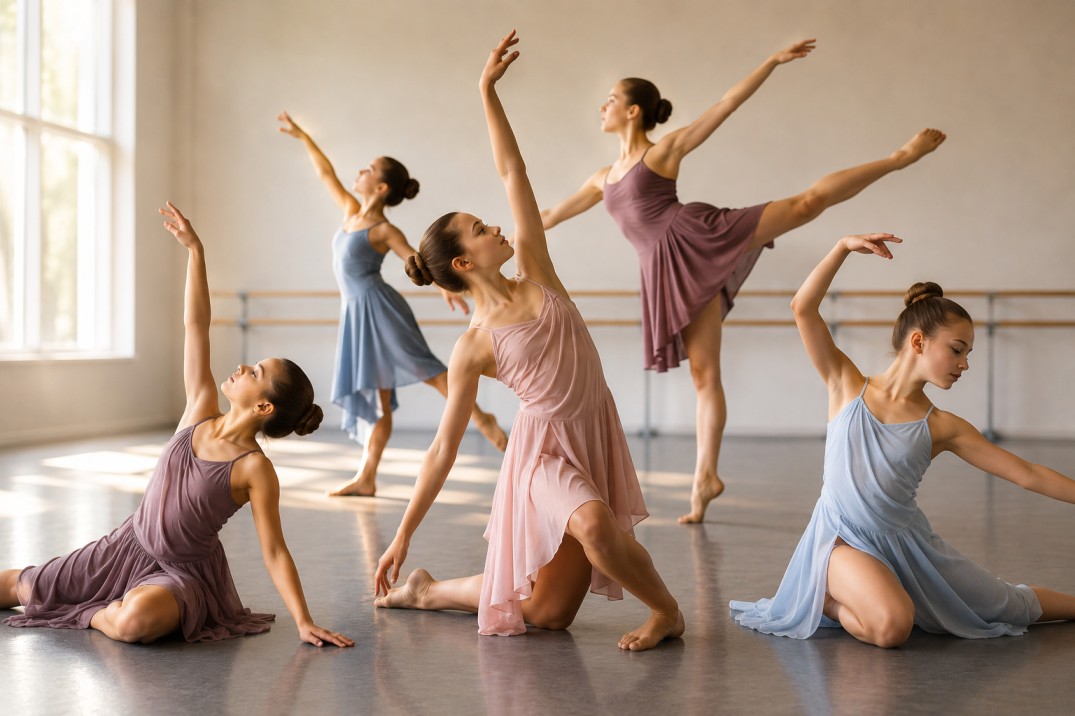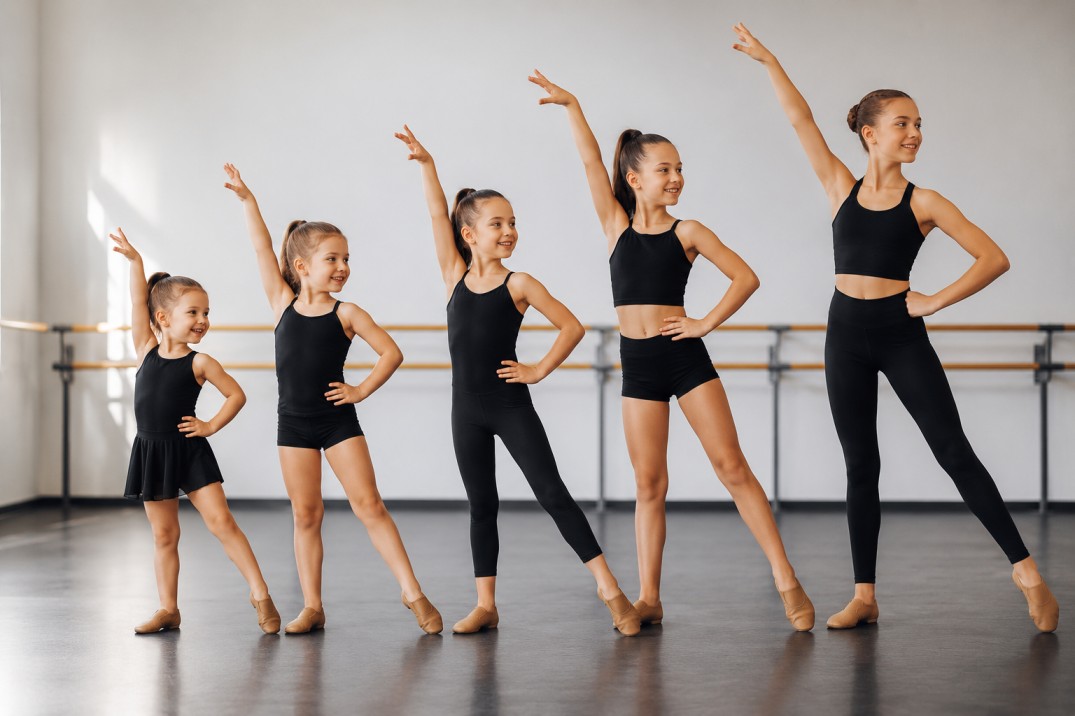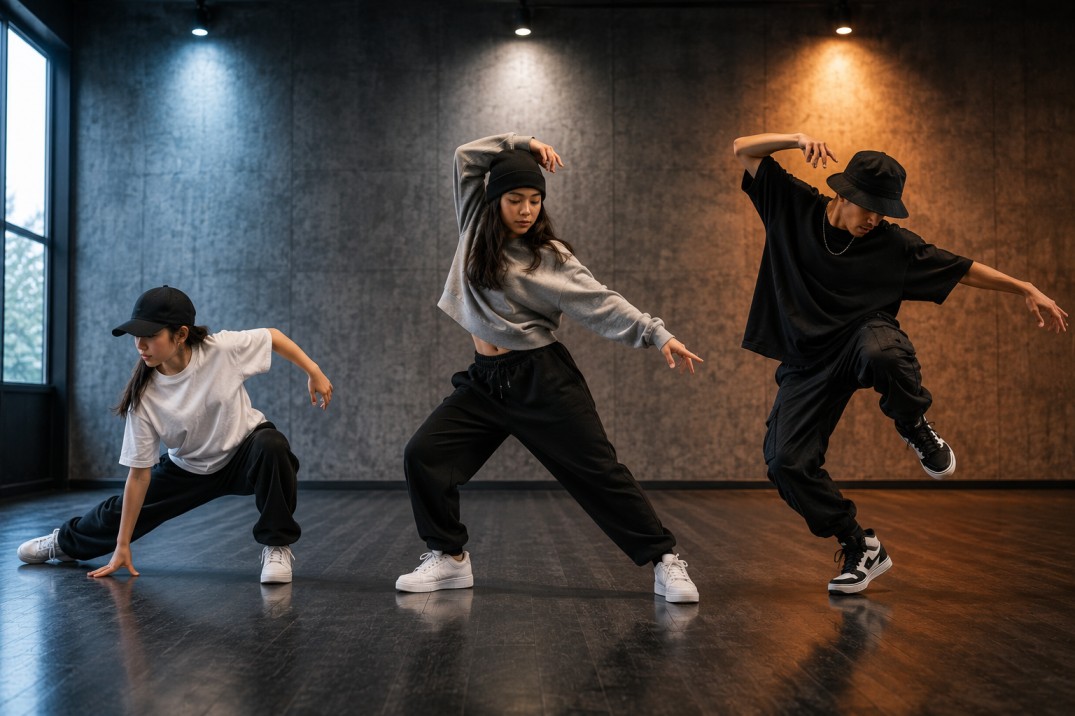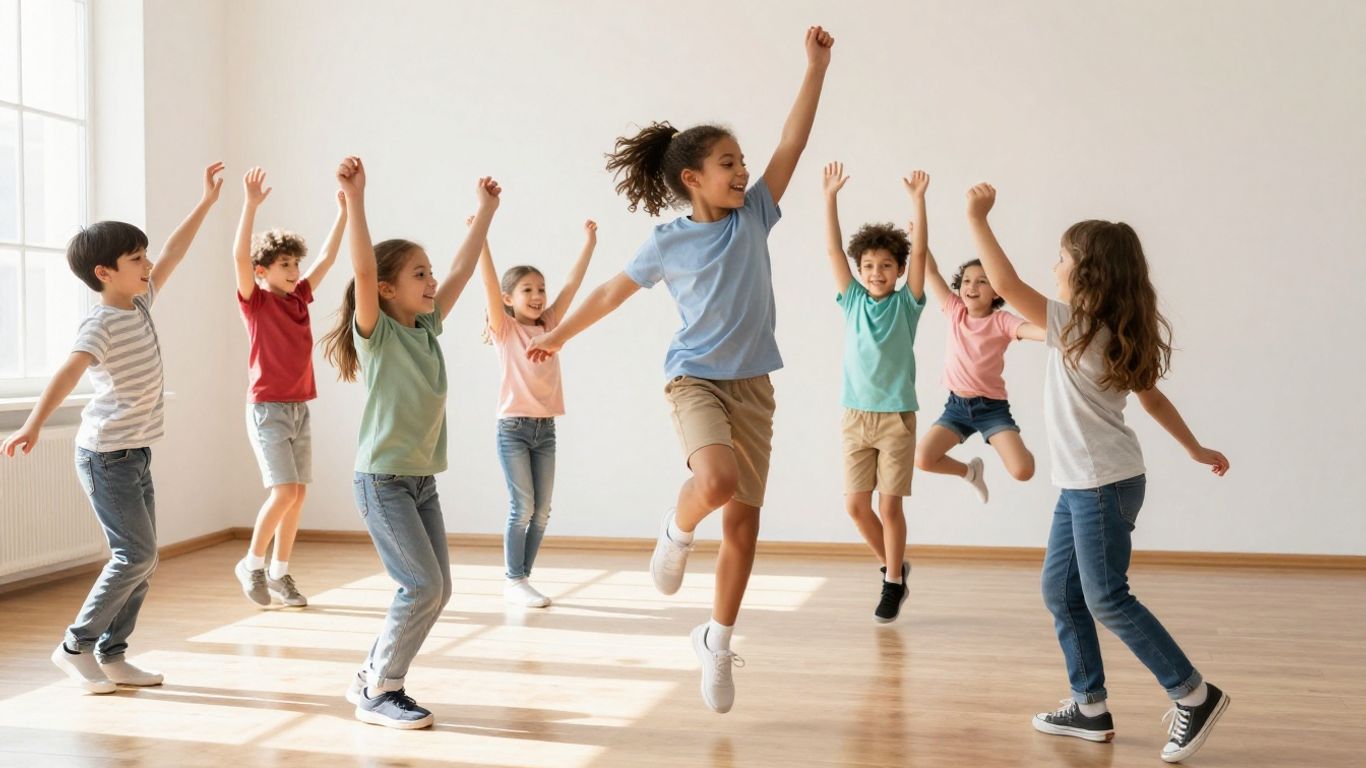
Kids today deal with a lot, right? School, friends, social media – it can all get pretty overwhelming. But what if there was a way for them to work through all those big feelings without even having to say a word? Turns out, there is, and it’s pretty awesome. Dance isn’t just about learning cool moves; it’s a fantastic tool that helps children express themselves and manage their emotions. The emotional benefits of dance are huge, offering a safe space for kids to explore everything they’re feeling, from pure joy to deep sadness, all through the power of movement.
Understanding the Emotional Benefits of Dance for Children
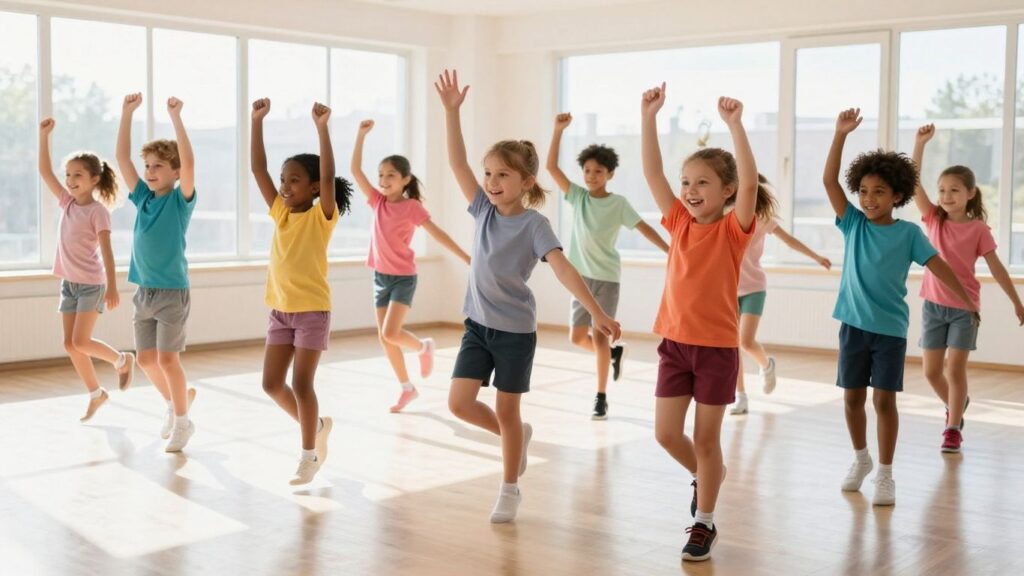
Dance is more than just fun movement; it’s a powerful tool for helping kids understand and handle their feelings. For many children, especially those who find it hard to put their emotions into words, dance offers a way to communicate what’s going on inside. This connection between moving the body and feeling the emotions is a big part of dance and emotional development in kids. It’s like giving them a secret language to express joy, frustration, or even sadness.
Think about it: when a child is bursting with happiness, they might jump and spin. When they’re feeling a bit down, their movements might become slower, more grounded. Dance classes provide a safe space for these expressions. It’s not about perfect steps, but about letting the feelings flow through the body. This can be incredibly freeing and helps kids feel seen and understood.
Beyond just letting feelings out, dance also helps children learn to manage them. The physical activity itself can be a great stress reliever. When kids move their bodies, they can release pent-up energy and tension, which can calm their minds. This is one of the key benefits that makes the benefits of dance therapy for children so impactful.
Here are a few ways dance helps with emotional well-being:
- Emotional Release: Provides a non-verbal outlet for feelings that might be difficult to express otherwise.
- Stress Reduction: Physical movement helps release tension and can have a calming effect.
- Mood Improvement: Dancing often leads to the release of endorphins, the body’s natural mood boosters.
- Building Resilience: By exploring different emotions through movement, children learn to cope with challenges.
How Dance Helps Children Express Their Feelings
Sometimes, kids have big feelings that are hard to put into words. That’s where dance comes in. It’s a fantastic way for children to show what they’re feeling, whether it’s happiness, frustration, or even sadness. Dance offers a nonverbal language that lets emotions flow freely.
Expressing Joy and Excitement Through Movement
When kids are happy, they often can’t help but bounce, twirl, and jump. Dance classes in Hamilton tap into this natural energy. Learning a lively routine or just improvising to upbeat music lets them physically express that pure joy. It’s a way to celebrate good feelings and let them out in a healthy, active way. This kind of emotional expression through dance for kids is really important for their overall well-being.
Dance and Emotional Development in Kids
Dance isn’t just about learning steps; it’s a journey of self-discovery. As children move, they can explore different emotions. They might stomp their feet when they’re angry or sway gently when they’re feeling calm. This exploration helps them understand their own feelings better. It’s like giving them a toolkit for emotional growth, helping them navigate big emotions as they grow.
Exploring Sadness and Empathy on the Dance Floor
Even sad or difficult feelings can be explored through dance. A slow, flowing movement might represent sadness, allowing a child to process it without having to talk about it. In group settings, watching a peer express a certain emotion through movement can also build empathy. Kids start to understand that others feel things too, and they can connect with those feelings through shared movement.
Here are some ways dance helps with emotional expression:
- Nonverbal Outlet: For kids who struggle with words, movement becomes their voice.
- Stress Release: Physical activity in dance helps release pent-up tension and calm the mind.
- Mood Improvement: Dancing can boost spirits and encourage a more positive outlook.
- Self-Awareness: Children learn to recognize how emotions feel in their bodies.
How Dance Builds Confidence and Self-Expression
Sometimes, kids just need a way to show what they’re feeling without using words. Dance is pretty amazing for that. It gives them a space to move through all sorts of emotions, whether they’re super happy or feeling a bit down. As they learn new steps and put together routines, they start to feel a real sense of accomplishment. This is a big deal for how dance boosts children’s self-esteem. It’s not about being perfect; it’s about trying and getting a little better each time.
Developing Coping Mechanisms for Stress
Life can throw curveballs, and kids feel that, too. Dance offers a healthy way to deal with the pressure. When they’re moving to music, they can let go of worries and tension. It’s like a physical release valve.
- Physical Release: Dancing gets the body moving, which helps shake off stress.
- Mindful Engagement: Focusing on steps and rhythm pulls their attention away from worries.
- Emotional Outlet: It provides a safe way to express feelings that might be hard to talk about
Boosting Self-Confidence and Self-Esteem
Learning a new dance move or nailing a performance, even a small one in class, gives kids a real boost. They see what they can achieve through practice. This builds a strong sense of self-worth that isn’t tied to what others think.
- Skill Mastery: Getting better at dance moves leads to pride.
- Positive Feedback: Encouragement from instructors and peers reinforces their efforts.
- Self-Discovery: Exploring different movements helps them understand their own capabilities.
It’s really about helping them feel good about themselves from the inside out. When kids feel confident in their bodies and their ability to express themselves, they tend to be more willing to try new things and face challenges head-on.
The Social-Emotional Benefits of Group Dance
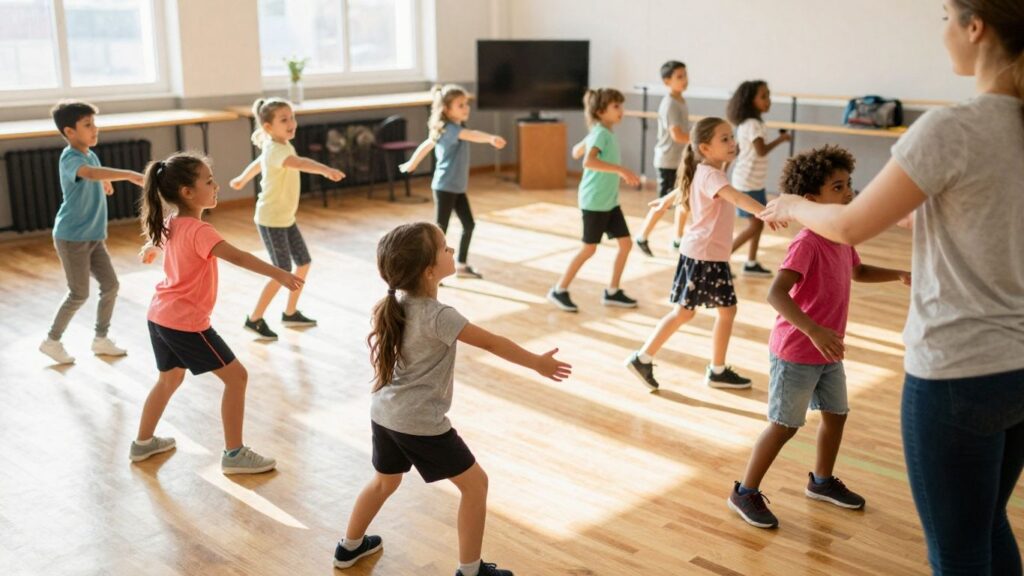
Dancing with others is more than just learning steps together; it’s a fantastic way for kids to learn how to get along and work as a team. When children dance in a group, they’re not just moving their bodies, they’re also building important social skills that will help them throughout their lives. It’s a space where they can connect with peers, understand different perspectives, and learn to support each other.
Learning Cooperation and Teamwork
Group dance classes naturally encourage kids to cooperate. Think about it: a dance routine often requires everyone to be in sync, moving together. This means paying attention to others, adjusting your own movements, and working towards a shared goal. It’s a hands-on lesson in teamwork. Kids learn to listen to the instructor, follow directions, and also to communicate nonverbally with their fellow dancers. They discover that when everyone contributes and works together, the final performance is so much better. This collaborative spirit can spill over into other areas, like school projects or playing sports.
Here’s how group dance helps build these skills:
- Shared Goals: Working towards performing a piece together teaches children the value of collective effort.
- Mutual Respect: Dancers learn to respect each other’s space and abilities, understanding that everyone brings something unique to the group.
- Problem-Solving: When a move isn’t quite right, the group often figures out how to fix it together, fostering a sense of shared responsibility.
- Communication: Beyond words, dancers learn to read cues and respond to each other, improving their overall communication abilities.
Why Dance Is Important for a Child’s Overall Development
Dance offers a unique blend of physical, emotional, and social growth. It’s a place where children can express themselves freely, build confidence, and develop a sense of belonging. For many kids, dance class becomes a haven, a place where they can explore their feelings and learn to manage them healthily. The physical activity itself is great for their bodies, releasing energy and reducing stress. But the social aspect is just as powerful. Learning to interact positively with others, to be part of a team, and to understand different viewpoints are all skills that contribute to a child’s well-rounded development. It’s about more than just mastering choreography; it’s about growing into a more confident, empathetic, and capable individual. Finding the right dance studio can make a big difference in how children experience these benefits.
Encouraging a Lifelong Love for Emotional Well-being Through Dance
Dance is more than just steps and music; it’s a powerful tool for nurturing emotional health throughout a child’s life. By providing a non-verbal language, dance allows young people to explore and communicate feelings they might not be able to put into words. This creative expression and emotional health for youth isn’t just a fleeting benefit; it builds a foundation for managing emotions well into adulthood. Think of it as planting seeds for resilience and self-awareness that will continue to grow.
Here’s how dance helps build that lasting connection to emotional well-being:
- Develops a Healthy Outlet: When kids dance, they can positively release pent-up energy and stress. It’s a physical release that calms the mind and can make big feelings feel more manageable.
- Boosts Self-Awareness: Through movement, children learn to connect with their bodies and understand how different emotions feel physically. This awareness helps them recognize their feelings as they happen.
- Cultivates Empathy: In group settings, children learn to move together, respond to each other’s energy, and understand different perspectives, which can build empathy.
- Promotes Joy and Mindfulness: The simple act of moving to music can bring genuine happiness and encourage kids to be present in the moment, a skill that helps reduce anxiety.
Ultimately, dance teaches children that their feelings are valid and that they have the capacity to move through them. This understanding, gained through joyful movement and creative exploration, is a gift that lasts a lifetime, supporting their emotional health long after the music stops.
More Than Just Steps
So, when we look at dance, it’s really about so much more than just learning fancy footwork or memorizing routines. It’s a way for kids to figure out what they’re feeling and then show it, whether they’re happy, sad, or a little bit of everything. This whole process helps them get better at handling those big emotions that pop up, making them feel more confident and ready for whatever comes their way. It’s a pretty neat way for them to grow, both inside and out, just by moving to the music.
Frequently Asked Questions
How does dancing help kids express feelings they can’t put into words?
Dance is like a secret language for feelings! When kids can’t find the right words to say if they’re happy, sad, or mad, they can show it through movement. A big jump might mean joy, while stomping can show frustration. It’s a safe way to let those feelings out without having to explain them.
Can dancing really help kids feel less stressed?
Absolutely! Think of dancing as a way to shake off worries. Moving your body, especially to music, helps release tension that builds up. It’s like giving your brain a break and letting all the stress melt away, leaving you feeling calmer and more relaxed.
How does dancing build confidence in children?
When kids learn a new dance step or a whole routine, they feel a sense of accomplishment. It’s like solving a puzzle or mastering a game! Each time they get better, they feel prouder of themselves. Performing for others, even just family, can also make them feel brave and good about what they can do.
What are the social benefits of dancing in a group?
Dancing with others is like being part of a team. Kids learn to work together, listen to each other, and support their friends. They discover that everyone has different strengths and that cooperating makes the dance even better. It’s a fun way to make friends and learn how to get along.
Does dancing help kids understand their emotions better?
Yes, it really does. By moving their bodies in different ways, kids start to notice how different feelings feel in their bodies. They learn to connect a feeling, like excitement, with a certain kind of movement. This helps them understand their emotions more deeply and become more aware of their own feelings.
Is dance a good way for kids to be more resilient when things get tough?
Definitely, when kids learn to express difficult feelings through dance and manage stress, they become stronger inside. They learn that even when things are hard, they have ways to cope and bounce back. This makes them better at handling challenges at school, with friends, or in other parts of their lives.