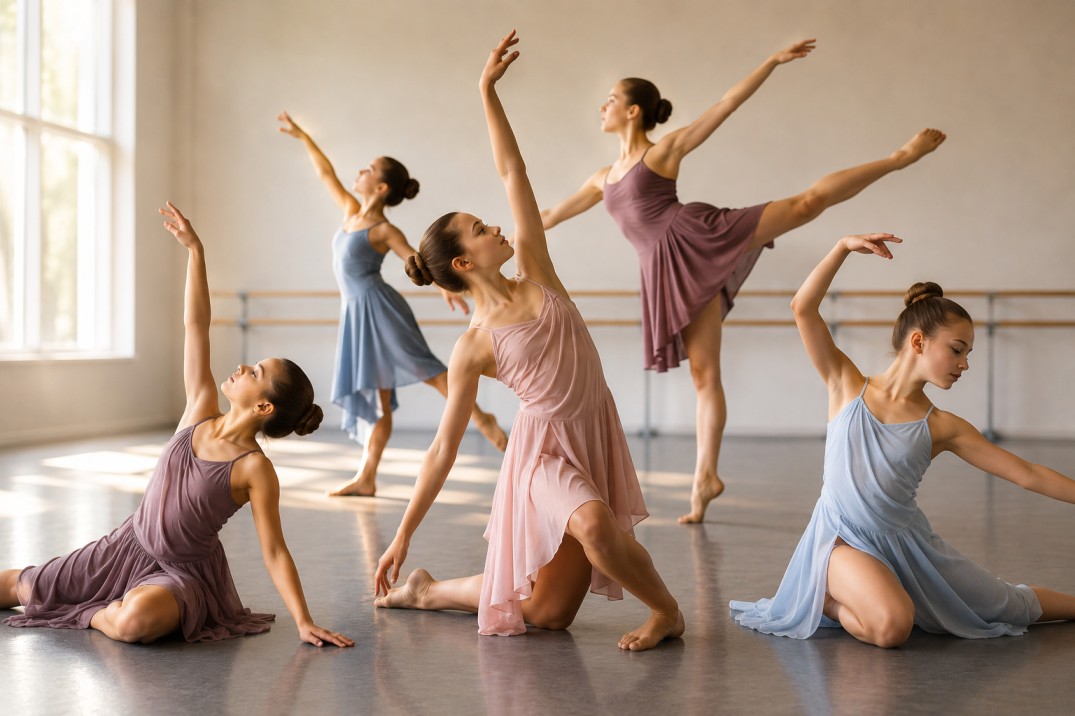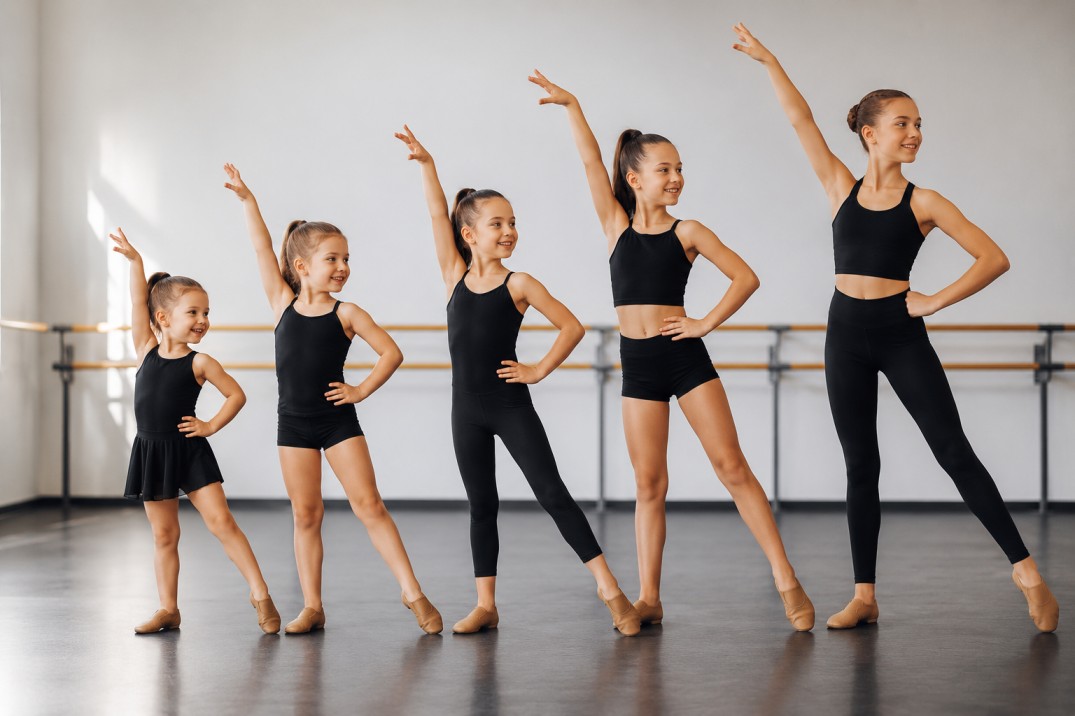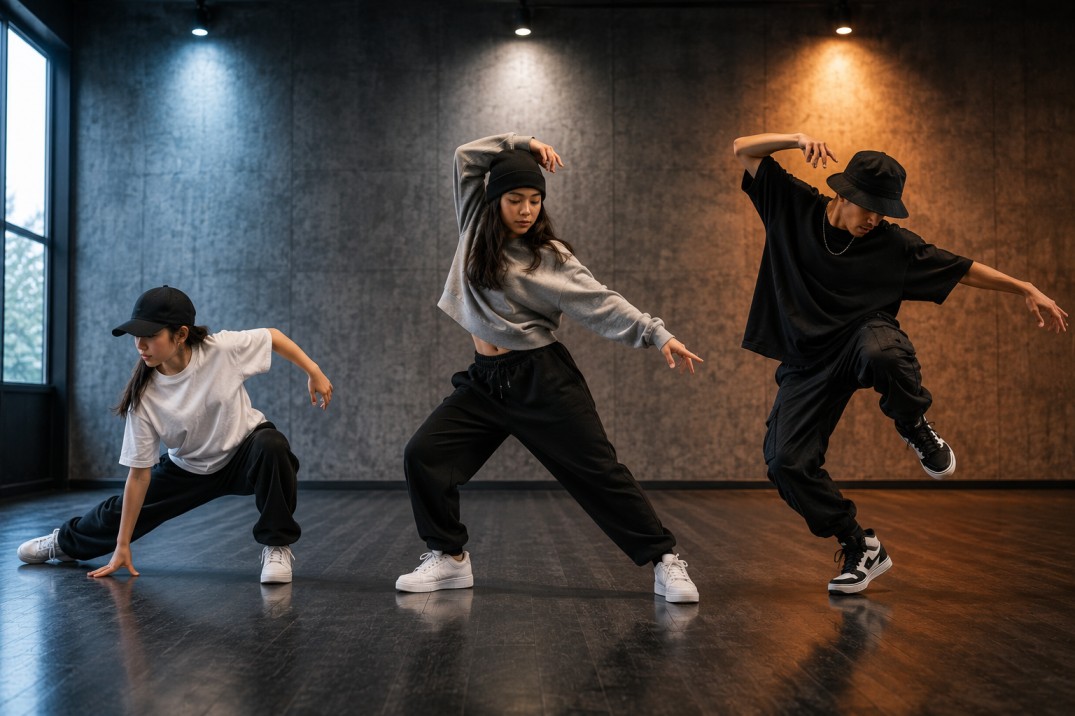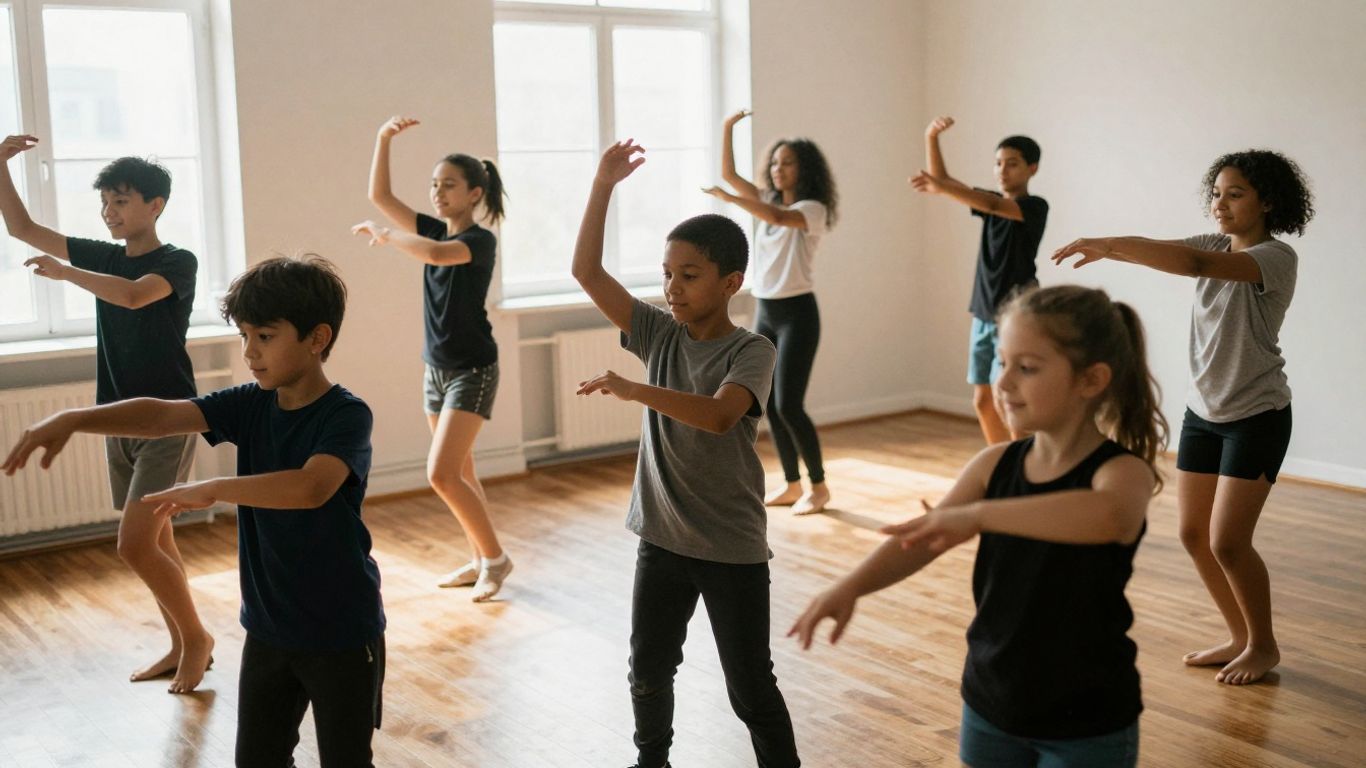
We all know dance is good for staying active, right? But it turns out, signing your kid up for dance classes does way more than just get their wiggles out. It actually helps their brain grow, makes them better at dealing with feelings, and teaches them how to get along with others. Think of it as a full-body workout for their mind and spirit, not just their muscles. Let’s look at how these dance education benefits really add up.
Key Takeaways
- Dance helps kids’ brains by improving memory and focus, kind of like a mental workout.
- Learning dance steps and routines boosts problem-solving skills and sparks creativity.
- Through dance, children build confidence and learn to handle their emotions better.
- Group dances teach kids how to work with others and be part of a team.
- Dance education instills discipline and perseverance, showing kids the value of practice.
More Than Just Movement: The Cognitive Advantages of Dance
When we think about dance, it’s easy to focus on the physical side – the leaps, the spins, the coordination. But there’s a whole lot more going on under the surface. Dance education is a fantastic way to boost a child’s brain power, and the academic advantages of dance are pretty impressive.
Boosting Brain Power: Memory and Concentration
Learning dance routines is like a workout for the brain. Kids have to pay close attention to their teacher, remember sequences of steps, and often, do it all while listening to music. This constant juggling of information really sharpens their memory and concentration skills. It’s not just about memorizing a few steps; it’s about processing visual cues, auditory instructions, and then translating that into physical action. This kind of multi-sensory learning helps build stronger neural connections, which can spill over into other areas of learning. Think about it: if a child can remember a complex dance combination, they’re likely better equipped to remember facts for a history test or steps in a math problem.
- Attention: Following the choreography requires sustained focus.
- Memory Recall: Remembering sequences and patterns is key.
- Sequencing: Understanding the order of movements is vital.
- Detail Orientation: Picking up on subtle changes in steps or timing.
The mental gymnastics involved in dance are significant. Children are constantly processing information, making connections, and refining their movements based on feedback. This active engagement with learning is a powerful tool for cognitive development through dance.
Enhancing Creativity and Problem-Solving Skills
Dance isn’t just about following instructions; it’s also a space for kids to experiment and create. When they’re encouraged to put their own spin on a movement or come up with their own short sequences, they’re engaging in creative thinking. This ability to think outside the box and find new ways to express themselves is a form of problem-solving. They might face a challenge, like a step that feels awkward, and have to figure out how to adapt their body to make it work. This kind of trial and error, combined with imaginative exploration, builds resilience and a more flexible approach to challenges they encounter both in and out of the studio. It’s about finding solutions through movement and expression, which is a skill that translates well to tackling academic or social issues. You can see how dance offers a healthy way to process experiences and connect with oneself and others.
| Skill Developed | How Dance Helps |
| Creative Thinking | Experimenting with movement, improvisation |
| Problem-Solving | Adapting steps, finding new ways to express ideas |
| Adaptability | Adjusting to new choreography or music |
| Innovation | Developing unique movement styles |
The Social and Emotional Growth Fueled by Dance
Beyond the physical moves, dance classes are a fantastic place for kids to grow socially and emotionally. It’s not just about learning steps; it’s about learning how to be with others and understand yourself better. This kind of emotional growth from dancing really sticks with them.
Building Confidence and Self-Esteem
When kids try a new dance move, maybe they don’t get it right away. But with practice, and maybe a little encouragement from their teacher or friends, they eventually nail it. That feeling of accomplishment, of finally getting that tricky step, is huge for building confidence. It shows them that hard work pays off. Even just showing up and trying something new, especially in front of others, takes courage. As they get better, they start to see themselves as capable and strong, and that positive self-image spills over into other parts of their lives.
Developing Teamwork and Cooperation
Many dance classes involve group work. Kids have to learn to move together, listen to each other, and work towards a shared goal, like performing a routine. This is where social skills dance classes really shine. They learn to share ideas, take turns, and support their fellow dancers. It’s a practical way to understand what it means to be part of a team, and that’s a skill that’s useful everywhere, not just in the studio.
Learning Discipline and Perseverance
Dance isn’t always easy. There are routines to memorize, techniques to perfect, and sometimes, performances to prepare for. This requires focus and sticking with it, even when it’s tough. Kids learn that showing up consistently and practicing regularly leads to improvement. They understand that achieving something worthwhile takes time and effort. This kind of discipline and perseverance is a life lesson that helps them tackle challenges in school, sports, and personal goals.
Dance provides a safe space for children to explore their feelings and express themselves without always needing words. This can be incredibly helpful for managing big emotions and developing a stronger sense of self. It’s a way for them to process their world and feel more in control.
Here’s a quick look at how dance helps:
- Confidence Boost: Mastering new steps and performing builds self-assurance.
- Team Player: Group dances teach cooperation and shared responsibility.
- Grit Builder: Regular practice instills discipline and the value of persistence.
- Emotional Outlet: Movement offers a healthy way to express and manage feelings.
The Expressive Power of Dance: Communication and Emotional Intelligence
Non-Verbal Communication Skills
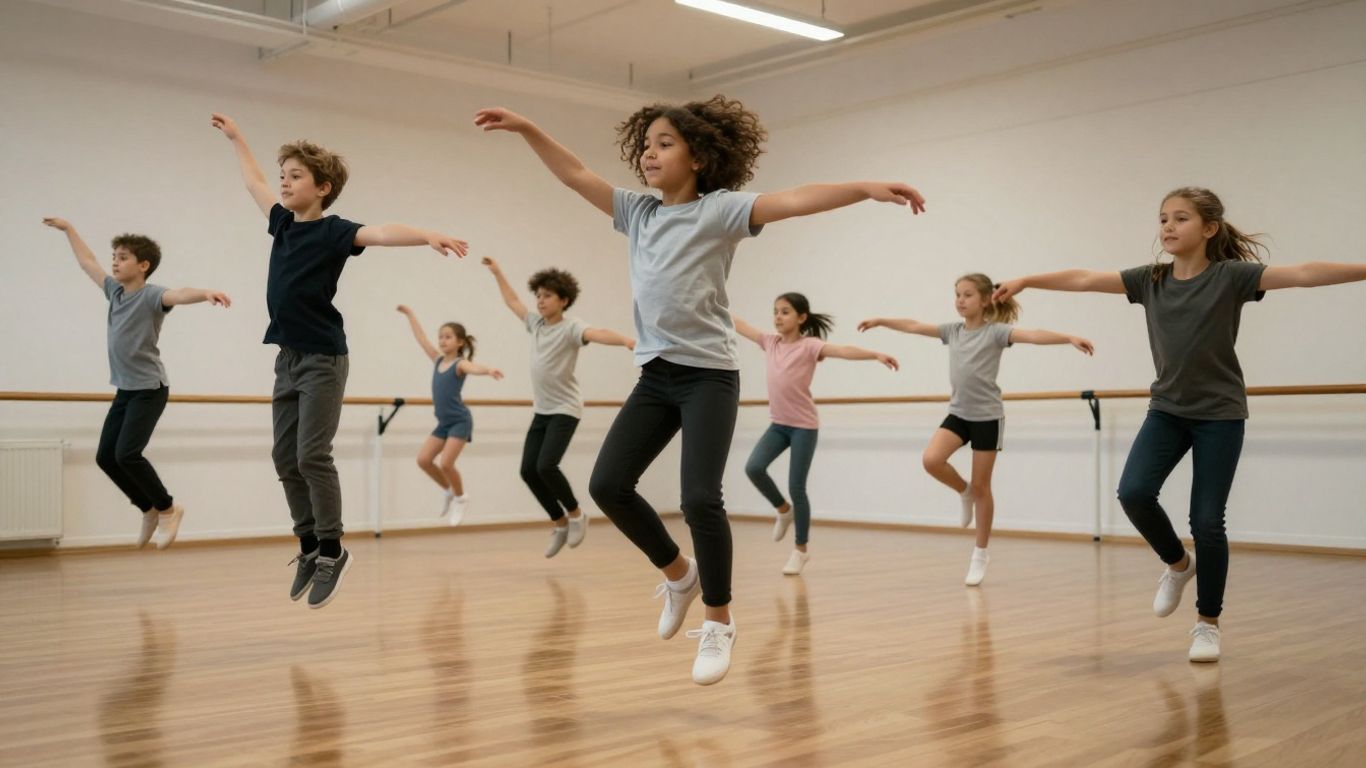
Dance is a language all its own, and kids learn to speak it fluently through movement. It’s not just about remembering steps; it’s about conveying feelings and ideas without saying a word. Think about it – a jump can show excitement, a slump can show sadness, and a sharp turn can signal surprise. This ability to communicate through the body is a huge part of growing up. It helps children express themselves when words might fail them, which is pretty common when you’re young. They learn to read the movements of others too, picking up on cues and understanding what someone else might be feeling just by how they move. This kind of non-verbal communication is super important for making friends and understanding the world around you.
- Interpreting body language
- Expressing emotions through gesture
- Responding to others’ movements
Understanding and Expressing Emotions
Kids often have big feelings, and sometimes they don’t know what to do with them. Dance gives them a safe place to let those feelings out. Whether it’s frustration, joy, or even a bit of shyness, they can move it out. This is where creativity and imagination in dance really shine. They can invent their own moves to show how they feel, turning a tough emotion into a dance. It’s like a physical journal, but way more fun. Learning to move through different emotions in dance also helps them deal with challenges off the dance floor. They learn that it’s okay to feel things and that they have ways to manage those feelings.
Dance provides a healthy way for children to process their emotions. It’s a physical outlet that can help reduce stress and anxiety, allowing them to feel more balanced and in control.
Here’s how dance helps with emotional expression:
- Outlet for Feelings: A physical way to release pent-up emotions.
- Self-Discovery: Exploring different movements to understand personal feelings.
- Emotional Regulation: Learning to manage and express emotions healthily.
Dance Education: A Foundation for Lifelong Learning
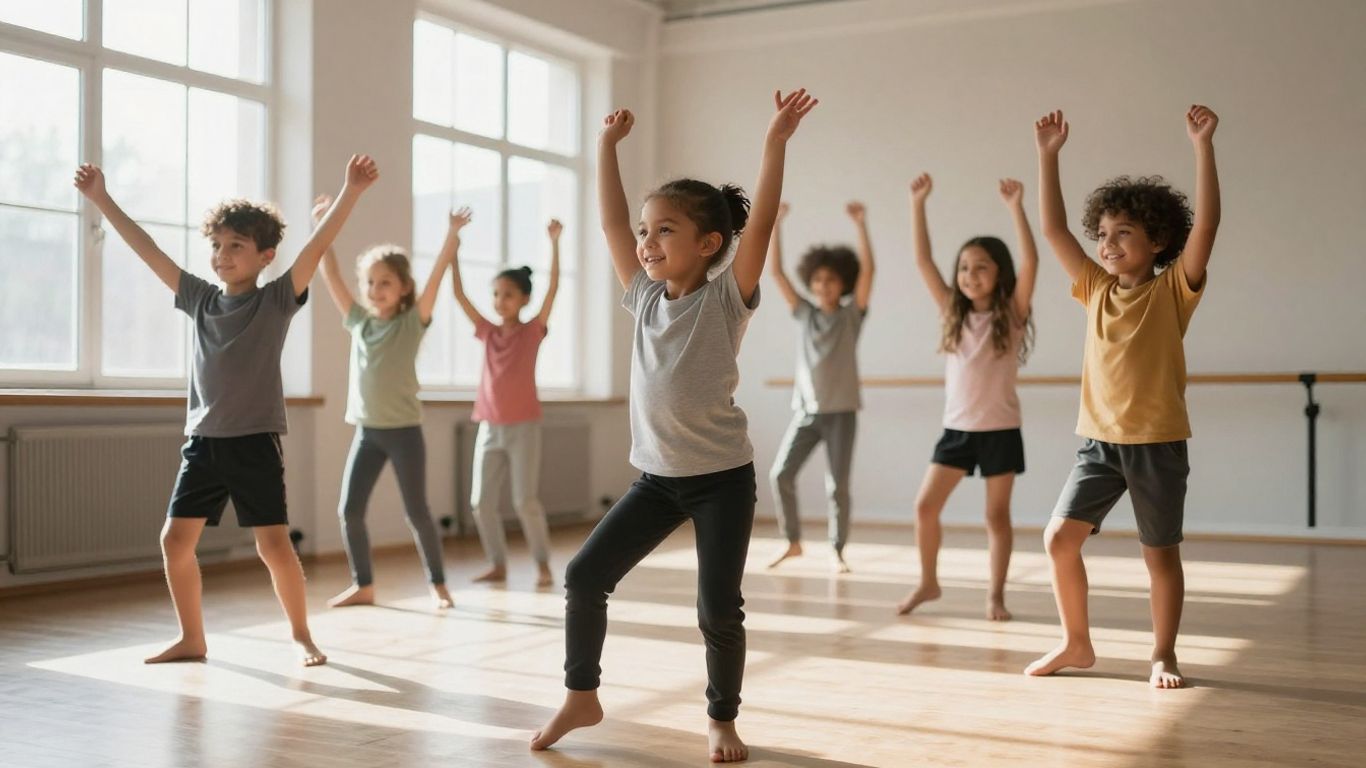
So, we’ve talked a lot about how dance helps kids right now, with their brains and feelings, and getting along with others. But what about later? It turns out that the skills kids pick up in dance class aren’t just for the studio. They build a kind of foundation that can help them throughout their whole lives, in all sorts of ways.
Think about it: dance requires a lot of coordination and remembering steps. This kind of mental workout can actually help keep your brain sharp as you get older. Studies have even shown that regular dancing can significantly lower the risk of dementia later in life, which is pretty amazing when you think about it. It’s like giving your brain a good workout that pays off down the road. You can find out more about the benefits of staying active through dance and brain health.
Here are a few ways dance sets kids up for future success:
- Problem-solving: Figuring out how to move your body to music, or how to adapt a step when something feels off, teaches kids to think on their feet. This skill is super useful whether they’re tackling a tough math problem or figuring out a tricky situation at work.
- Discipline and focus: Sticking with a dance routine, practicing even when it’s hard, and paying attention to the teacher all build serious discipline. This kind of focus and commitment can translate into better performance in school and in any career they choose.
- Adaptability: Dance often involves learning new choreography or adapting to different partners and styles. This teaches kids to be flexible and adjust to new situations, a really important trait in our fast-changing world.
The structured yet creative nature of dance education provides a unique environment for children to develop a robust set of transferable skills. These aren’t just fleeting benefits; they are building blocks for a more capable and resilient adult.
It’s not just about the physical or the mental, either. The confidence and self-awareness that come from dance can help kids make better choices and feel more secure in themselves as they grow up. It really is more than just a hobby; it’s a way of learning how to learn and how to be in the world.
Looking for engaging and enriching Dance Classes Hamilton families trust? At CM Dancing, our programs go beyond physical fitness—helping children build confidence, creativity, discipline, and social skills in a fun, supportive environment. Give your child the opportunity to shine both on and off the stage. Register today and start your dance journey with us!
More Than Just Steps
So, while we often think of dance as just a way to get kids moving and maybe burn off some energy, it’s clear there’s so much more going on. From boosting brainpower and helping kids focus in school, to building their confidence and teaching them how to get along with others, dance really does offer a whole package of good stuff. It’s not just about learning routines; it’s about helping kids grow into well-rounded, capable individuals. Giving kids the chance to dance is a pretty smart move for their future, both inside and outside the classroom.
Frequently Asked Questions
What kind of brain benefits does dance offer kids?
Dance is like a workout for the brain! Learning dance moves helps kids get better at remembering things and focusing. It’s like practicing your memory and attention span all at once. Plus, figuring out how to move your body to music helps you think more creatively and solve problems, kind of like putting together a puzzle.
How does dancing help kids feel better about themselves?
When kids learn a new dance step or perform a routine, they feel a real sense of accomplishment. This builds their confidence and makes them feel proud of what they can do. Dance also gives them a safe way to let out feelings like stress or frustration, which can make them feel happier and more in control.
Can dance help kids get along better with others?
Absolutely! In dance classes, kids often work together in groups. This teaches them how to share ideas, listen to their friends, and work as a team to achieve a goal, like putting on a show. It’s a fun way to learn how to be a good friend and classmate.
Does dance teach kids to be more disciplined?
Yes, it does! To get better at dancing, kids need to practice regularly and keep trying even when it’s tough. This teaches them the importance of hard work and sticking with something until they succeed. This kind of discipline can help them in school and other parts of their lives too.
How does dance help kids express themselves?
Dance is a fantastic way for kids to show how they feel without using words. They can use their bodies to tell stories or show emotions. This helps them understand their own feelings better and also learn to understand how others might be feeling, which is a big part of being emotionally smart.
Why is it good for kids to start dancing when they are young?
Starting dance early helps kids develop important skills from a young age. They improve their balance, coordination, and strength in a fun way. It also helps them get used to expressing themselves and working with others, setting a great foundation for their growth in many areas as they get older.